First off — congratulations, and also: deep breath. You’re closing in three weeks with a toddler. That’s a lot. You don’t need to do everything before move-in. In fact, trying to do too much will burn your budget and your sanity.
I’ve been there. We moved into our first house (a slightly dated 90s build) with a 10-month-old. Here’s the honest, room-by-room, safety-first breakdown of what’s genuinely urgent and what you can happily delay for 3–12 months.
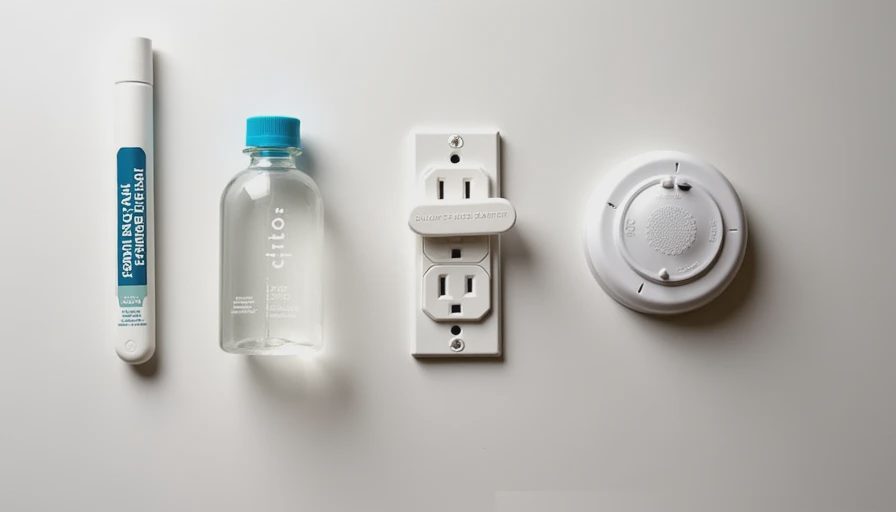
Do these BEFORE move-in day
These are non‑negotiable for your kid’s health and your own sleep. They usually cost less than you think, but are 10x harder once furniture and toys are in the way.
1. Lead & water testing (if house was built before 1978)
Why urgent: Lead dust is invisible and dangerous for developing brains. Old pipes can leach lead or copper.
What to do: DIY lead swab test on painted trim, windows, and doors. Send a water sample to a certified lab ($30–50).
If found: You can seal lead paint (encapsulation) in one weekend — do it before bringing in cribs or rugs.
2. Childproofing the heavy hitters
Anchor tall furniture (bookcases, dressers, TV stands) to wall studs. Do this when rooms are empty — so much easier.
Install carbon monoxide / smoke detectors on every level and near the nursery. Test them.
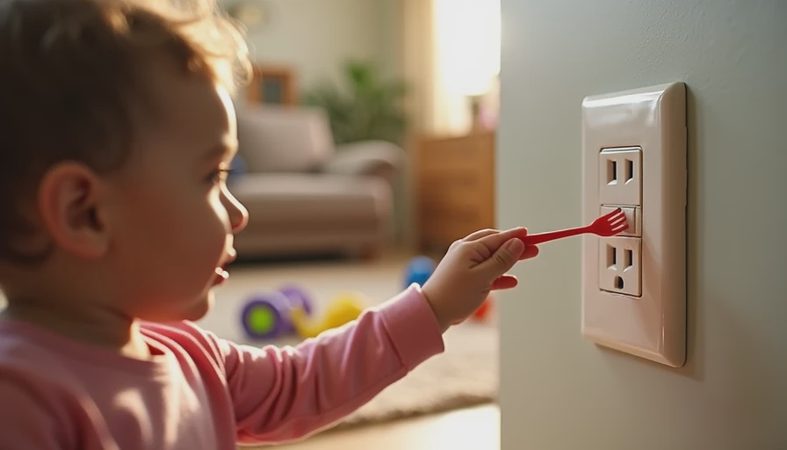
Cover all outlets in rooms the baby will access. Cheap and fast.
Secure loose rugs (tape down corners) or remove them completely from hallways.
3. One clean, safe, finished bedroom + bathroom
You don’t need the whole house done. You need ONE room where your toddler can sleep, play, and breathe easily.
Fresh low‑VOC paint if walls are gross (optional, but do it before the crib goes in).
Install cordless blinds or cut window blind cords short (strangulation hazard).
In the bathroom: set water heater to 120°F (49°C) to prevent scalding.
Put a simple latch on the under‑sink cabinet.
4. Deep clean (especially floors and vents)
Dust and old carpet residue can trigger toddler allergies. If you can afford it, get a professional duct cleaning ($300–500). If not, at least vacuum HVAC returns and change the filter.
If there’s carpet in the nursery and it’s old, consider removing it (or covering with a washable rug pad + low‑pile rug). Hard floors are easier to keep clean.
5. Label the breaker box & locate shutoffs
Before you stack boxes in front of the panel, label every breaker (nursery lights, kitchen outlets, etc.).
Find water main shutoff, gas shutoff, and main electrical disconnect. Show your partner. This is not a drill — a running toilet at 2am is way less scary when you know where the valve is.
These can realistically wait (3–12 months)
Almost everything else. Seriously. Give yourself permission to live in the house first.
1. Most kitchen and bathroom remodels
Ugly cabinets? Old countertops? Unless they’re actively leaking or growing mold, live with them for 6 months. You’ll make better design choices once you see how you actually use the space.
The only exception: Fix any leaky faucet or running toilet before move‑in. Water damage + toddler chaos = nightmare.
2. Flooring upgrades (except safety hazards)
If floors are level and don’t have sharp edges or loose nails, keep them. Wait on hardwood refinishing or new LVP. The dust from demo is miserable with a baby in the house.
Temporary fix: Large, washable rugs in high‑traffic areas.
3. Cosmetic paint jobs
Painting a living room accent wall can happen on a Saturday after you’ve moved in (nap time project!). Just use low‑VOC paint and keep the room ventilated.
Hallways, ceilings, trim — all can wait.
4. “Smart” home upgrades
Smart lights, motorized blinds, fancy thermostat — fun, but not urgent. Your priority is safety and sleep, not voice‑activated lighting.
5. Major landscaping or fencing
If you have a backyard but no fence, and your 1‑year‑old is a runner? Okay, maybe prioritize a simple temporary fence for the immediate patio area. Otherwise, full yard work can wait until spring/summer.
The smartest move you can make: a “before move‑in” weekend plan
Day | Task |
|---|---|
Friday evening | Drop toddler with grandparents or a trusted sitter. (Yes, ask for help.) |
Saturday AM | Test lead & water. Anchor furniture. Install smoke/CO detectors. Set water heater temp. |
Saturday PM | Deep clean nursery & main bathroom. Change HVAC filter. Label breakers. |
Sunday AM | Childproof outlets, blind cords, and under‑sink cabinets in kitchen/bath. |
Sunday PM | Move in crib, mattress, and a small dresser. Unpack the nursery first. You now have a safe base camp. |
Everything else — paint the guest room, replace that dated light fixture, redo the backsplash — can wait until your toddler sleeps through the night more consistently (ha, I know) or until you’ve saved up another few thousand dollars.
One last thing
Do not let well‑meaning friends or contractors talk you into “while you’re at it, just do the whole kitchen.” That’s how first‑time parents blow their contingency fund and end up eating takeout over a plywood countertop for 4 months.
Your real job for the first 90 days: keep your 1‑year‑old safe, sleep occasionally, and learn how your house breathes — where it gets drafty, which outlets are wonky, which closet is perfect for toys.
You’ve got this. Ask away if you want specific product links for outlet covers, water test kits, or affordable cordless blinds. We’ve all been there.
No comments yet — be the first to share a thought.