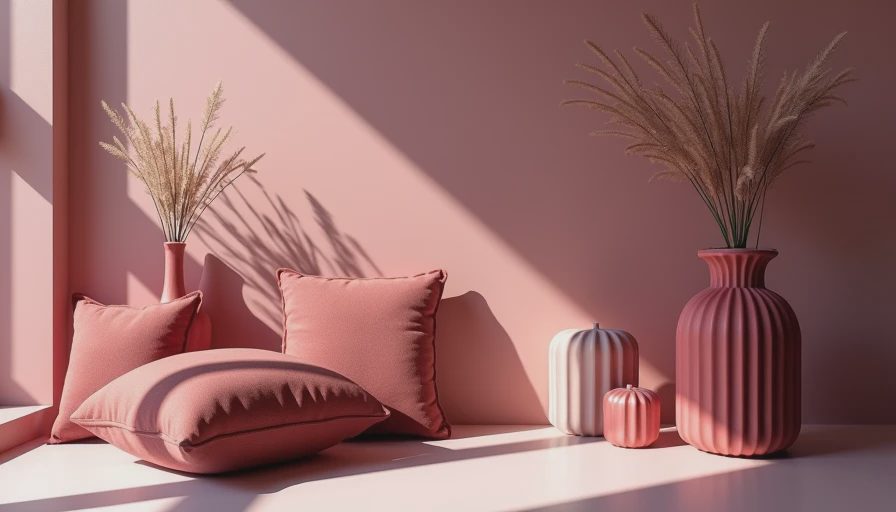
Walking into your first home is exhilarating—and overwhelming. You want every room to feel like you, but the cost of room decor can quickly spiral. As a new homeowner with young kids, you need decorating ideas that are stylish, safe, and practical for daily life. Here's how to create a space you love without draining your renovation budget.
Start with a Plan
Before you buy a single throw pillow, take a deep breath and make a plan. Room decor works best when you have a clear vision. Start by defining the purpose of each room. A living room might need to double as a play area, while the primary bedroom should be a calm retreat. Write down what you need the space to do, then prioritize your spending. This prevents impulse buys that don't fit.
Measure your room and sketch a rough layout. Know where the natural light falls, where electrical outlets are, and how traffic flows. This helps you choose furniture sizes and placement before you shop. Investing time upfront saves money on returns and replacements.
Choose a Cohesive Color Palette
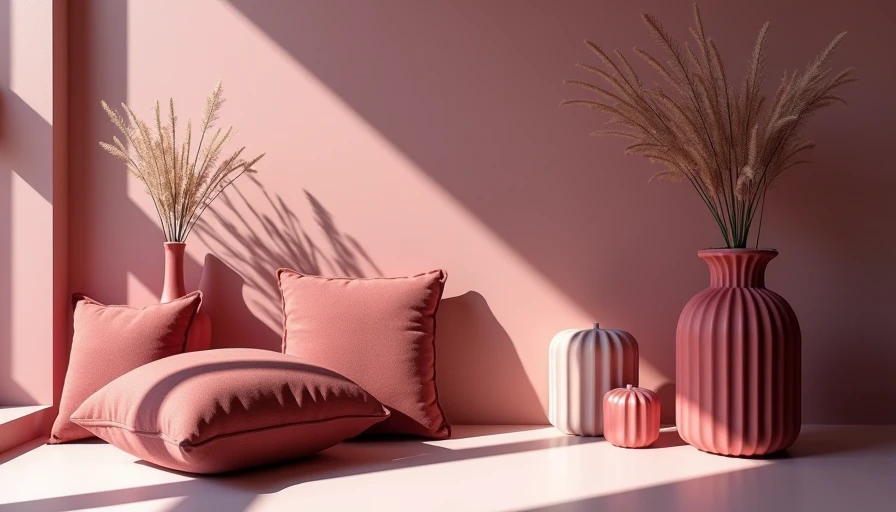
Paint is the cheapest way to transform a room. A cohesive color palette ties your room decor together without needing expensive accessories. Pick two or three colors you love—one main neutral, one accent, and one pop. For example, warm greige walls with navy accent pillows and touches of mustard yellow. Stick to this palette across furniture, art, and textiles.
For kid-friendly spaces, choose washable paint finishes like satin or semi-gloss. These are easier to clean and stand up to sticky fingers. Use the accent color on one wall or in large decor pieces to create visual interest without overwhelming the space.
Layer Your Lighting
Lighting can make or break room decor. In a family room, you need three types: ambient (overhead), task (reading lamps), and accent (highlighting art or shelves). A single overhead light creates harsh shadows and feels cold. Instead, layer floor lamps, table lamps, and maybe a dimmer switch.
Plug-in wall sconces are a great option if you can't add overhead fixtures. They add warmth without the cost of rewiring. For nurseries, install a dimmer to create a soft glow during night feedings. Good lighting makes even budget room decor look polished.
Incorporate Texture and Fabrics
Texture adds depth without adding clutter. In a room with young kids, choose fabrics that are durable and washable. Performance fabrics like polyester blends or Crypton resist stains and wear. A chunky knit throw on a sofa, a jute rug, or velvet pillows create visual interest.
Mix materials: wood, metal, cotton, and wool. This keeps the room from feeling flat. For example, pair a smooth leather sofa with a nubby wool rug and metal side tables. The contrast feels intentional and luxurious, even if the pieces are from discount stores.

Add Personal Touches
The best room decor reflects the people who live there. Display family photos in simple frames, children's art in clip frames you can swap out, or travel souvenirs on a shelf. These items don't cost much but make the space feel uniquely yours.
Avoid overbuying generic decor. A few meaningful pieces have more impact than a shelf full of knickknacks. Rotate seasonal items—swap out throw pillows or a wreath—to keep the room feeling fresh without spending money.
Don't Forget the Floor
Flooring is a major part of room decor. If you have wall-to-wall carpet, keep it clean with regular vacuuming and spot cleaning. Area rugs can define zones in open-plan rooms. Choose low-pile rugs for high-traffic areas—they're easier to clean and less likely to trip toddlers.
For hard floors, a soft rug in the living room adds warmth and absorbs sound. Washable rugs are a game-changer for families; you can toss them in the washer when the inevitable spill happens.
Thrift and Repurpose for Unique Room Decor
Scouring thrift stores, garage sales, and online marketplaces is a goldmine for affordable room decor. You can find solid wood furniture, vintage mirrors, and unique art for a fraction of retail prices. Look for pieces with good bones—a sturdy dresser can be painted and re-stained, and a tired lamp can get a new shade. This approach not only saves money but gives your home a one-of-a-kind character that no big-box store can replicate.
When thrifting, keep your color palette and room measurements in mind. Avoid buying something just because it’s cheap. Measure doorways and hallways so you know the piece will fit. For repurposing, consider turning an old ladder into a blanket rack, or using vintage crates as wall shelves. These DIY projects add personality without costing much. Also, check for safety: for homes with young kids, avoid items with lead paint or sharp edges. A simple sanding and fresh coat of non-toxic paint can make thrifted finds kid-friendly.
Online platforms like Facebook Marketplace and OfferUp let you search for specific items near you. For example, a thrifted wooden mirror painted in your accent color becomes a focal point in the entryway. Thrifting requires patience but pays off. Visit often, and don’t be afraid to negotiate prices. With a little creativity, your room decor can tell a story without breaking your budget.
Final Thoughts
Room decor for a first home doesn't require a massive budget or a designer. Focus on a plan, a cohesive palette, good lighting, texture, personal touches, practical floors, and thrifted finds. These elements create a space that feels beautiful and works for real family life. Pretty is good. Pretty and washable is better.
Start with one room—maybe the living room—and apply this approach. You'll soon see how strategic choices make your whole home feel put together without the stress of overspending.


No comments yet — be the first to share a thought.