
When you're furnishing your first home, the right lighting can transform a space from builder-grade to cozy. But not all rooms with lamps are created equal. The key is understanding how different lamps serve different purposes—and how to choose them without blowing your budget. Whether you're tackling a living room, nursery, or entryway, this guide walks you through the best ways to incorporate lamps into every corner of your home.
Why Lamps Matter More Than Overhead Lights
Overhead lights are functional, but they often cast harsh shadows and create an unwelcoming glow. Lamps, on the other hand, let you control the mood. Floor lamps, table lamps, and wall-mounted sconces add warmth and depth. They also make a room feel lived-in, which is exactly what a first-time homeowner wants. Plus, lamps are easier to install than new ceiling fixtures—just plug them in and you're done. That's a win for anyone afraid of electrical work.

Living Rooms with Lamps: Layered Lighting
A living room needs more than one light source. A common mistake is relying solely on a ceiling fan or flush-mount light. Instead, create layers: a floor lamp for ambient light, a table lamp for reading, and maybe a picture light to highlight art. For example, an IKEA Hektar floor lamp ($79.99) paired with a Target Threshold table lamp ($39.99) gives you flexibility. When you're watching TV, you can dim or turn off the overhead and use just lamps. And if you have kids, choose lamps with stable bases—nobody wants a tipped lamp near a toddler.
Nurseries and Kids' Rooms with Lamps
Safety first in any child's space. Look for lamps with enclosed bulbs or LED panels that don't get hot. A dimmable table lamp can double as a nightlight during feedings. The Cloud B Sleep Sheep lamp ($49.99) is a popular choice for its gentle glow and automatic shut-off. But even a simple dimmable LED lamp from Amazon ($25) works if you pair it with a smart bulb. Just make sure cords are tucked away behind furniture. For older kids, let them choose a lamp that matches their personality—just test the stability before buying.
Bedrooms with Lamps: Creating a Calm Retreat
Your bedroom should be a sanctuary, and lamps are essential for setting a relaxing tone. Skip the overhead light and use matching bedside table lamps for symmetry. The West Elm Industrial Table Lamp ($129) offers a stylish silhouette, but the IKEA Forsa work lamp ($24.99) works just as well if you add a warm bulb. Place lamps on nightstands so you can reach them from bed. If you're on a tight budget, check thrift stores for vintage bases—you can spray paint them to match your decor. Remember: the goal is a soft, warm glow, not a floodlight.
Entryways and Hallways with Lamps
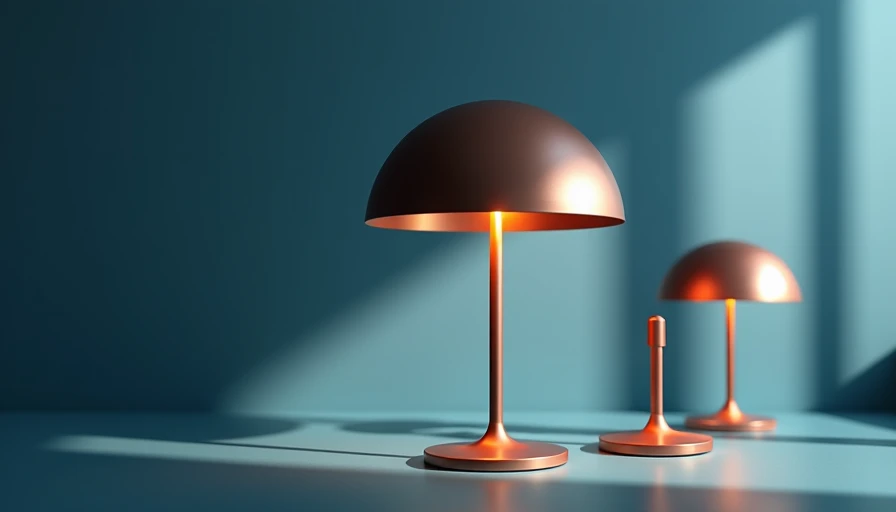
First impressions matter. An entryway table with a lamp makes your home feel welcoming the moment you step inside. Choose a lamp with a fabric shade to soften the light. The Target Opalhouse collection has affordable options ($34.99) that look expensive. In hallways, consider wall-mounted sconces with built-in lamps; they save space and add character. If you have a narrow hallway, a small table lamp on a console table can act as a focal point. Just make sure the lamp doesn't block the path—your furniture should be at least 36 inches wide to avoid bumps.
Budget-Friendly Tips for Lamps
You don't need to spend a fortune on lighting. Start with one or two key lamps and add more over time. Mix and match from stores like IKEA, Target, and HomeGoods. Look for lamps with neutral shades that fit any room. Swap out the bulbs for warm white (2700K) to get that cozy feel. And don't forget smart plugs—they let you turn lamps on or off with your phone or voice. A platform like Wyze offers a two-pack for $15. Another tip: use floor lamps in corners to make a room feel bigger. It's a cheap trick that works every time.
Home Offices with Lamps: Boost Focus and Reduce Eye Strain
Remote work is here to stay, and the right lighting in your home office can make a big difference in productivity. When setting up one of your rooms with lamps for remote work, prioritize task lighting. A desk lamp with adjustable brightness and arm, like the IKEA Tertial ($14.99), allows you to direct light exactly where you need it. Add a floor lamp for ambient light to balance the room and reduce glare on your computer screen. Brands like OttLite specialize in daylight-balanced lamps ($49.99 and up) that mimic natural light and reduce eye fatigue. Position the desk lamp on your non-dominant side to avoid shadows when writing. And if your home office doubles as a guest room, consider a lamp with a built-in USB port for charging devices. Spending a little extra on a quality lamp here can pay off in comfort and focus during long workdays.
Putting It All Together
Choosing the right rooms with lamps isn't about following trends—it's about making your home work for your family. Start by assessing each room's needs: ambient, task, or accent lighting. Then pick lamps that fit your style and budget. Remember, pretty is good, but pretty and washable is better. And always anchor lamps away from high-traffic areas if you have little ones. With a little planning, you can create a home that feels bright, warm, and welcoming—without breaking the bank.
Now it's your turn. Walk through your house room by room and decide where a lamp could make the biggest difference. Your evenings will thank you.





No comments yet — be the first to share a thought.