We close in two weeks. Our main living area is a classic suburban open concept: living room + dining nook + kitchen island all in one big rectangle, about 550 sq. ft. No walls. One hallway leads to bedrooms, another to the garage.
We have a 14‑month‑old who is fast, curious, and hates being contained. We’re trying to arrange furniture before move‑in to minimize constant “no, don’t touch that” and maximize sightlines for both parents.
Here’s our current layout plan (crude drawing attached). I need you to tell me where we’re being naive about toddler traffic flow.
Sectional placed with the back to the kitchen, facing the TV wall. Creates a “zone” but also a runway behind it.
Coffee table is a large soft ottoman (no sharp corners, padded).
Baby gate at the hallway entrance (so bedrooms are off‑limits unless supervised).
No gate between kitchen and living room – the island is the only separator.
Dining table pushed against the wall (for now) to create more floor space.
What I think works
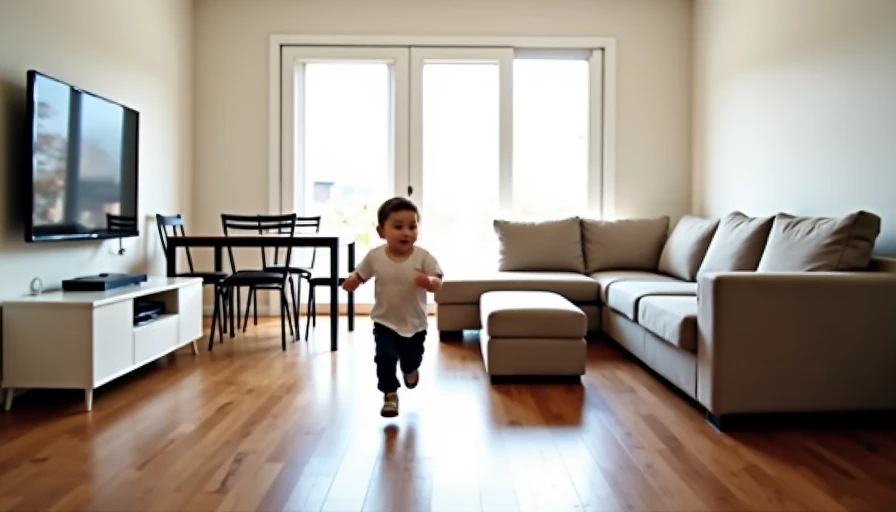
Clear sightlines – From the kitchen sink, I can see the whole living room and the hallway gate. From the sectional, I can see the front door and the dining nook.
Soft landing zones – Ottoman instead of hard coffee table. Rug with thick pad. Sectional has rounded arms.
One main pathway – The “runway” behind the sectional leads only to the dining nook and a blank wall. No outlets or dangling cords there.
Where I’m worried (please be honest)
1. The kitchen island – open on three sides
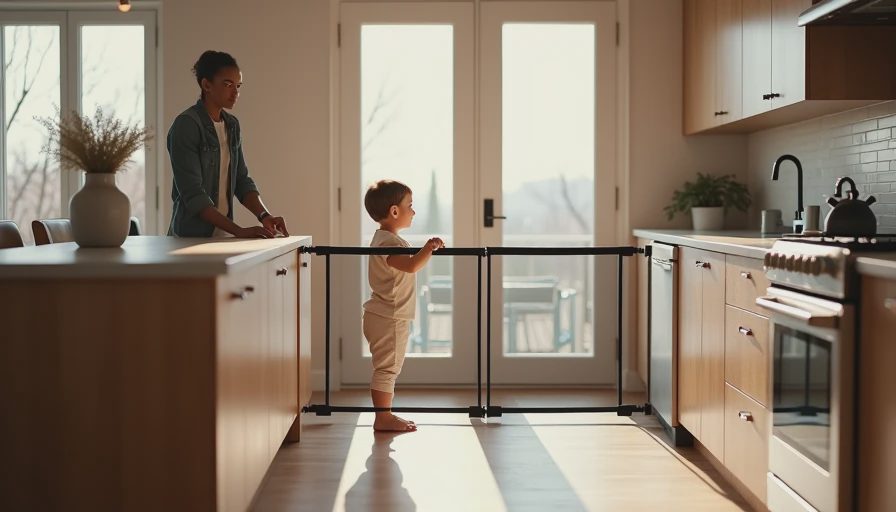
Our daughter can crawl/walk around either end. That means she could get to the trash can, the dishwasher (sharp edges at toddler height), or the stove knobs (front‑mounted – she can reach them).
My fix: Put a retractable gate across the kitchen opening? But then cooking feels like prison.
Alternative: Move the sectional to block one side? But that blocks the view from the sink.
2. The “runway” behind the sectional
It’s about 3 feet wide. Perfect for running laps. But also perfect for crashing into the back of the sectional (padded, fine) or the dining chair legs (metal, not fine).
My fix: Push the dining table against the wall permanently? But we lose seating for guests.
3. No clear “yes” play zone
We want to teach her that the rug in front of the TV is for toys. But in an open layout, toys naturally migrate to the kitchen doorway and the hallway gate. How do you enforce a boundary without walls?
4. The TV is wall‑mounted, but cords…
We’ll hide cords in a raceway. But the media console underneath will have a soundbar, streaming stick, etc. All at grabbing height.
My fix: Put the console inside a closed cabinet? But then remote signals might not work.
5. The front door is visible from the living room, but not gated
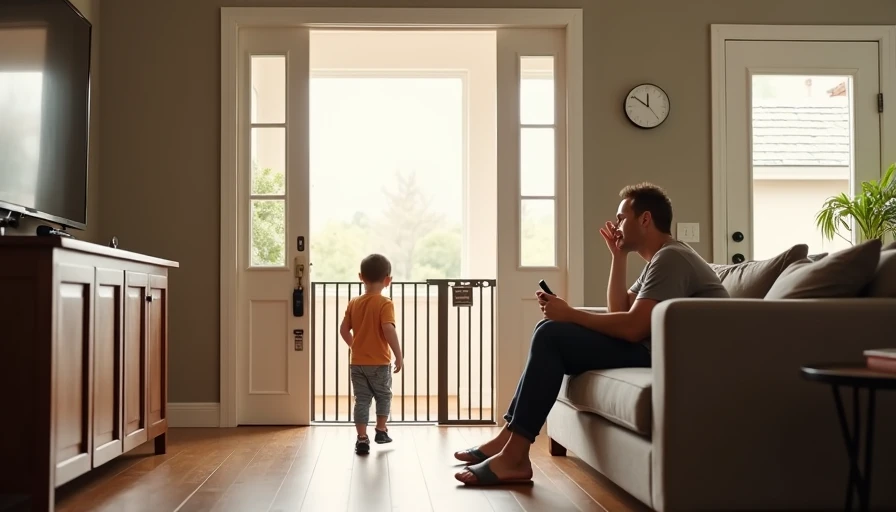
If someone opens the door (delivery, guest, older kid), our toddler could bolt outside before we react.
My fix: A secondary gate at the front entry? But then the foyer feels like a cage.
What we already committed to (non‑negotiable)
No exposed outlet cords anywhere.
All heavy furniture anchored (sectional is heavy enough, but the TV console will be strapped).
No glass coffee table. No sharp metal legs.
Dimmers on all lights (so we can lower stimulation before nap).
The actual question for you
Is this layout fundamentally unsafe for a toddler, or am I overthinking normal open‑plan chaos?
Specifically:
Has anyone successfully used a partial gate (like a retractable mesh gate) to block just the kitchen stove area without blocking the whole room?
How do you handle the front door bolt risk in an open layout? A lock at adult height? A smart lock with alert?
Any creative furniture placement tricks to create “rooms” inside an open floor plan? (Rugs? Bookshelves as partial walls?)
I’d rather rearrange furniture now, when the house is empty, than chase a toddler away from the dishwasher every night.
Help me see what I’m missing.
No comments yet — be the first to share a thought.