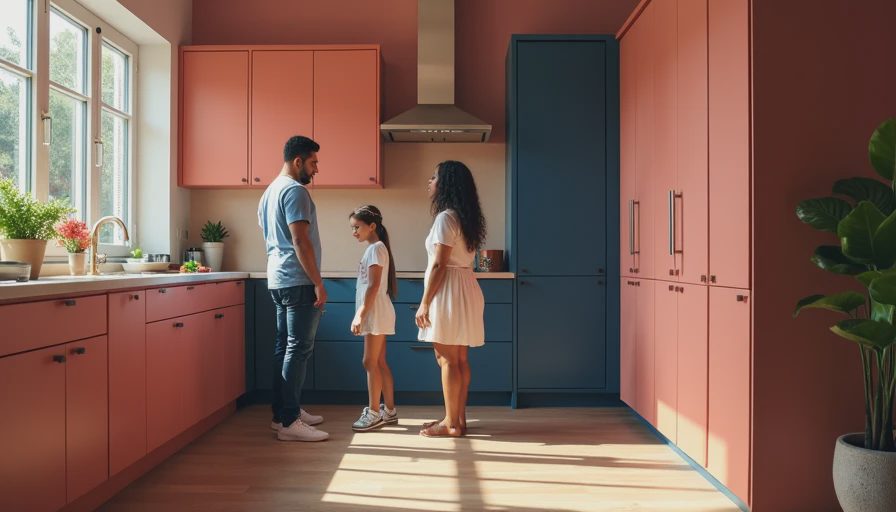
When you're juggling work, kids, and the endless snack requests, a thoughtful design of kitchen wardrobe can make your mornings smoother and your counters clutter-free. In this guide, we'll cover everything from choosing the right dimensions to picking finishes that survive real life. Whether you call it a pantry, a storage cabinet, or a kitchen wardrobe, the goal is the same: keep essentials accessible and organized. Let's dive into the design of kitchen wardrobe that works for your family.
Why a Kitchen Wardrobe Makes Sense
A dedicated kitchen wardrobe keeps dry goods, small appliances, and bulk items in one place. Unlike open shelving, a closed wardrobe reduces dust and visual clutter. The design of kitchen wardrobe should reflect your cooking habits: if you batch-prep meals, include deep shelves for pots and bins. If you have a growing family, plan for adjustable shelving to accommodate changing needs. A well-organized wardrobe also cuts down on food waste because you can see what you have at a glance. Plus, a uniform storage system can make your kitchen feel calmer and more intentional.
Sizing and Layout Tips
Measure your available wall space carefully. Standard kitchen wardrobe depth is 24 inches, but you can go as shallow as 12 inches for a narrow wall. Height matters too: a floor-to-ceiling unit maximizes storage but may require a step stool for top shelves. A successful design of kitchen wardrobe includes a mix of fixed and adjustable shelves. Consider pull-out drawers for pots, baskets for snacks, and a tall section for brooms or folding chairs. Leave enough aisle clearance if your kitchen is small. Draw a sketch and tape it on the wall to test flow.
Materials and Budget Choices
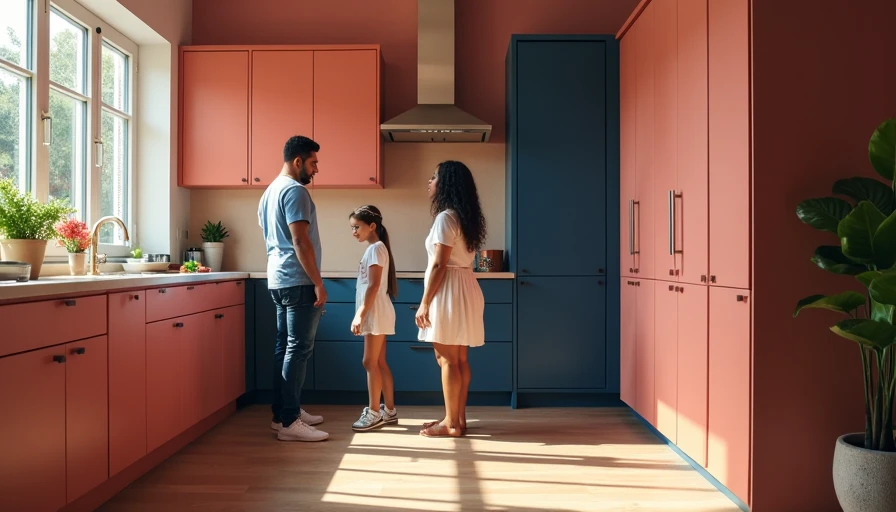
Material choice affects both look and longevity. For a budget-friendly option, use MDF with a laminate finish—it's easy to clean and resists moisture better than raw particleboard. Solid plywood is stronger and more expensive, but it holds up to heavy use and can be painted repeatedly. The design of kitchen wardrobe should also account for hardware: soft-close hinges and full-extension drawer slides cost a bit more but last longer and prevent slamming. A basic IKEA system might run $300-$500, while a custom built-in can exceed $2,000. Decide where to splurge based on daily use—pull-outs and handles are worth the extra spend.
Family-Friendly Features
If you have young children, safety and durability are key. Anchor the wardrobe to the wall to prevent tipping. Choose rounded corners or add stick-on edge guards to protect little heads. Store heavy items on lower shelves to avoid dangerous reach boxes. The design of kitchen wardrobe can include childproof latches on lower doors to keep snacks and cleaning supplies separate. For easy cleanup, select matte laminate or semi-gloss paint—they hide fingerprints and wipe down quickly. Also, consider easy-access bins for kids so they can grab their own snacks without help.
Style and Final Touches
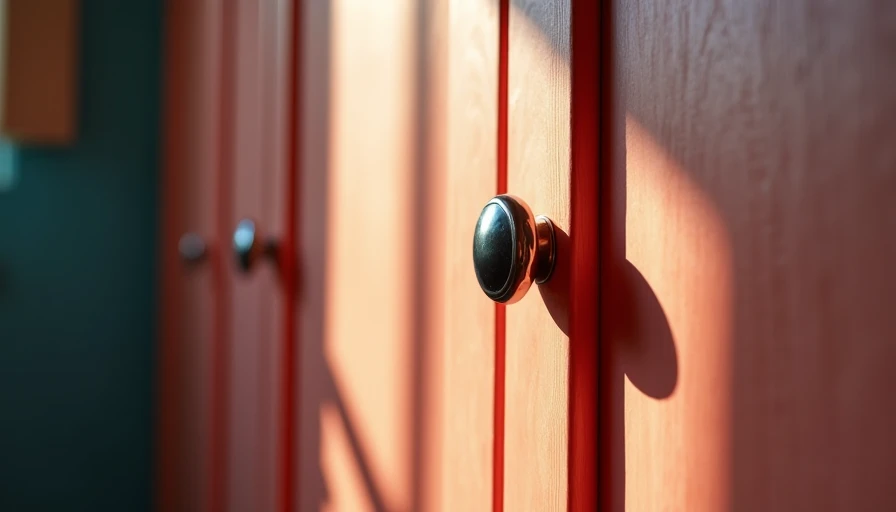
Your kitchen wardrobe should feel like part of the room, not an afterthought. Paint it to match your existing cabinets or choose a contrasting color for a furniture-like look. Use matching baskets and clear canisters to keep items organized visually. Add a chalkboard panel or label holder to track inventory and expiration dates. A thoughtful design of kitchen wardrobe integrates seamlessly, so the space feels open and uncluttered. Once installed, maintain the organization with seasonal purges. Your family will appreciate the calm that comes from an orderly kitchen.
Quick Checklist for Your Kitchen Wardrobe Project
Before you start, run through this list to avoid costly mistakes and ensure your design of kitchen wardrobe meets your family's needs.
- **Measure twice, cut once:** Use a tape measure to record wall width, depth, and height. Don't forget baseboard heights and outlet locations. Sketch the layout and tape it on the floor to check traffic flow. This step prevents returns and frustration.
- **List your must-have items:** Make a list of everything you plan to store (pasta bags, small appliances, bulk oats). This helps you decide shelf spacing and drawer counts.
- **Choose a material that fits your lifestyle:** For high-moisture areas, go with plywood or melamine-resisted board. Avoid raw wood if you expect spills.
- **Plan for growth:** Add extra adjustable shelves. As kids grow, storage needs shift from snack bins to lunch containers.
- **Set a realistic budget:** Include hardware, installation aids, and taxes. A $500 budget usually covers a basic 3-foot unit with laminate.
- **Shop around:** Compare prices at IKEA, Home Depot, and local cabinet makers. Don't rush—sales can save 20-30%.
- **Install safety features:** If you have toddlers, anchor the unit and add soft-close mechanisms. It's a small investment for peace of mind.
A smart kitchen wardrobe simplifies meal prep and daily routines. Take time to plan dimensions, materials, and safety features. The right design of kitchen wardrobe will serve your family for years, adapting as your needs change. Ready to start? Measure your wall, set a budget, and explore options that balance beauty and function.


No comments yet — be the first to share a thought.