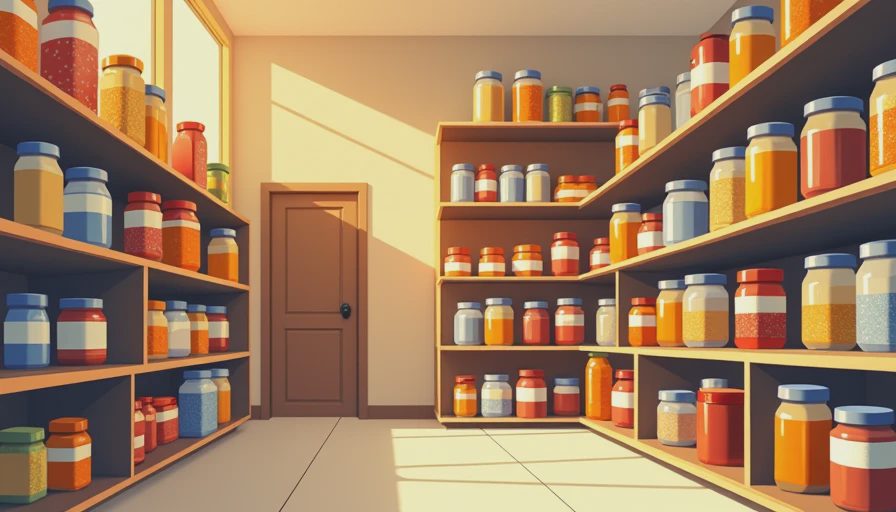
If you’re a first-time homeowner staring at that narrow closet off the kitchen, wondering how to keep it from becoming a black hole of snack wrappers and expired pasta, you’re not alone. The **kitchen pantry pantry** — yes, we said it twice because it deserves that much attention — can be the most used (and abused) space in your new home. With a few intentional choices, you can turn it into a calm, functional zone that works for your budget and your family’s daily rhythm.
Why a Well-Organized Kitchen Pantry Pantry Matters
A cluttered pantry leads to wasted food, duplicate purchases, and morning chaos when everyone’s hunting for cereal. More importantly, a thoughtful setup saves money. When you can see every can and box, you stop buying what you already have. For families with young kids, an organized **kitchen pantry pantry** also keeps snacks at a reachable height and dangerous items like cleaning supplies safely out of sight.
Step 1 – Empty and Categorize
Start by pulling everything out. Yes, everything. Sort items into groups: canned goods, grains, snacks, baking supplies, oils and sauces, and kid-friendly items. While you’re at it, check expiration dates and toss anything past its prime. This is also the perfect time to wipe down shelves. A clean slate makes the next steps easier.
Step 2 – Choose the Right Shelving and Bins
Most builder-grade pantries come with adjustable wire shelves, but you don’t have to keep them. Consider swapping for solid wood or laminate shelves that are easier to clean and hold weight better. For bins, clear acrylic or BPA-free plastic containers from brands like OXO or Rubbermaid let you see contents at a glance. Won’t break the bank? IKEA’s KUGGIS series offers affordable stackable boxes. When you standardize your containers, your **kitchen pantry pantry** instantly looks curated and intentional.
Don’t forget vertical space. Use stackable can racks, tiered shelf organizers, or a simple Lazy Susan for corners. For families, low bins for snacks and a high shelf for adult-only items (coffee, chocolate) keep the peace.

Step 3 – Label Everything
Labels are the key to maintaining order. You can use a label maker for a polished look or simple chalkboard stickers from Target. Label bins with categories (e.g., “Pasta,” “Breakfast,” “Snacks”) so everyone in the family can put things back in the right spot. A labeled **kitchen pantry pantry** also helps babysitters and older kids find what they need without asking every two minutes.
Bonus: Family-Friendly Pantry Hacks
- **Snack caddies**: Designate a clear bin for grab-and-go snacks. Stock it with pre-portioned bags of crackers, fruit pouches, and granola bars. Teach kids to grab from here only.
- **Baking station**: Keep flour, sugar, and mixing bowls on one shelf so prep is fast.
- **Use the door**: Over-the-door wire racks are perfect for spices, foil, or small condiment bottles.
- **Rotation**: When you unpack groceries, move older items to the front. This simple habit reduces waste.
Frequently Asked Questions About Kitchen Pantry Pantry Organization
How much does it cost to organize a kitchen pantry?
A basic project with bins from IKEA or Target runs between $50 and $150. If you want custom shelving from companies like California Closets, expect $500 to $2,000. For most first-time homeowners, a mix of affordable bins from discount stores like Marshalls plus shelf risers delivers great results without overspending. Always measure your space before buying – returning ill-fitting containers wastes time and money.
Should I use open bins or closed containers?
Open bins work well for items you grab daily – snacks, potatoes, onions. Closed containers like OXO Pop containers keep dry goods (flour, sugar, cereal) fresh longer and prevent pest issues. In a busy family pantry, a combination works best: closed for bulk staples, open for frequent-access items. This balance keeps your **kitchen pantry pantry** both functional and tidy, and clear containers let you see when you’re running low.
How do I keep the pantry organized long-term?
The secret is a weekly five-minute reset. Every Sunday, remove anything that doesn’t belong, rotate older food forward (first in, first out), and wipe down shelves. Make it a game with kids: whoever returns snacks to the correct bin gets a sticker. Over time, these small habits prevent your **kitchen pantry pantry** from sliding back into chaos. Also, do a seasonal deep-clean – pull everything out and reassess what you really use.
What’s the biggest mistake people make?
Buying bins without measuring – many homeowners grab decorative baskets that are too deep or tall, wasting vertical space. Always measure shelf height and depth before shopping. Another common error is over-organizing with too many tiny containers; that creates micro-clutter. Stick to a few broad categories: canned goods, grains, snacks, baking. Use vertical space with stacking cans or tiered shelves. And avoid trendy open shelving unless you’re committed to keeping it pristine.
Final Thoughts
A well-planned **kitchen pantry pantry** doesn’t have to be expensive or Pinterest-perfect. It just needs to work for your family’s daily life. Start with a clear-out, invest in a few bins, and label everything. Within a weekend, you’ll have a space that feels twice as big and saves you time and money every week. Pretty is good. Pretty and functional is better.


No comments yet — be the first to share a thought.