Walking into your first living room and realizing it’s smaller than you remember from the model home can feel deflating. But effective **living area design for small spaces** isn’t about wishing for square footage you don’t have—it’s about making every inch work harder. With a toddler underfoot and a budget that’s already stretched, you need solutions that are both stylish and washable. Here’s how to create a family-friendly living area that feels bigger, functions better, and doesn’t break the bank.
Start With a Flexible Layout
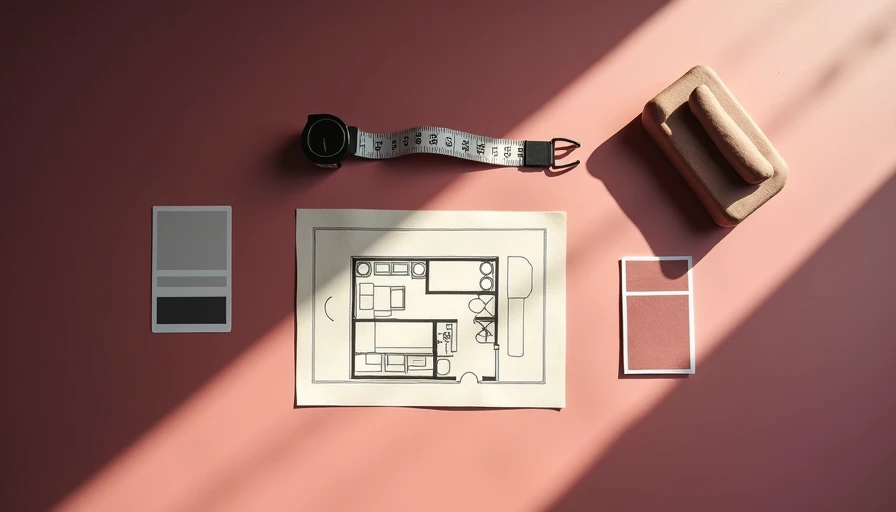
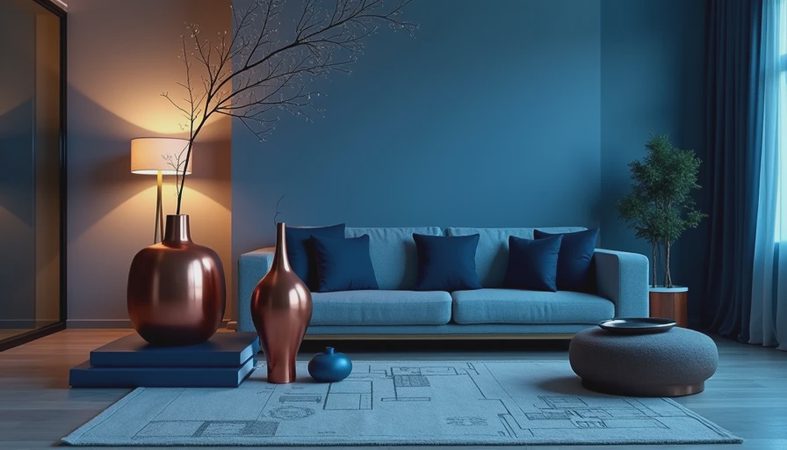
Before you buy a single piece of furniture, measure the room and sketch a floor plan. In a small living area, the layout is everything. Avoid pushing all furniture against the walls—floating your sofa even 12 inches from the wall creates breathing room. Use a 6x9 or 5x7 rug to define the seating zone. For a typical 12x15-foot room, a sectional might feel too bulky; instead, consider a loveseat plus two armless chairs that can be moved to different configurations. IKEA’s Kivik sofa ($799) comes in a smaller two-seater that works well for tight spaces, and its removable, machine-washable covers are a lifesaver with kids. Allow at least 18 inches between the coffee table and sofa for easy traffic flow. Remember: a calm room beats a complicated room.
Choose Multi-Functional Furniture
In small spaces, every piece should earn its keep. Look for ottomans with hidden storage (Target’s threshold storage ottoman, $129), nesting tables that tuck away when not needed, and sofas with built-in USB ports. A console table behind the sofa can double as a desk or buffet. For media consoles, go for one with closed cabinets to hide toys and cables—it instantly makes the room feel less cluttered. IKEA’s Besta system ($150–$500) lets you customize depth and doors. Budget tip: spend 60% of your furniture budget on one high-impact piece (like the sofa) and save on side tables and decor with thrift store finds or DIY pallet projects.
Lighting and Color Tricks
Light paint colors—especially pale gray, warm white, or soft blue—make walls recede, creating the illusion of more space. But don’t stop there: layer ambient, task, and accent lighting. A floor lamp in the corner and a pendant light over the seating area draw the eye upward. Use mirrors to reflect light; a large mirror (like IKEA’s Hovet, $149) placed opposite a window can double the visual size of the room. Avoid heavy drapes—go for sheer curtains or cordless blinds that keep the window clean. A single statement piece, such as a colorful rug or gallery wall, adds personality without overwhelming the space. Remember: pretty is good. Pretty and washable is better.
Storage That Does Double Duty
Clutter is the enemy of small-space design. Incorporate storage into your decor. Use floating shelves (like the IKEA Lack shelf, $13) for books and toys—place them low so kids can reach, but high enough to avoid climbing hazards. A storage bench near the entryway catches shoes and backpacks. Behind-the-sofa tables with baskets hide remote controls and board games. Built-in bookshelves along one wall can store everything and look custom; a simple two-shelf Billy bookcase ($89) with bins is an affordable alternative. Label bins with pictures for young children so cleanup becomes a game. Keep flat surfaces clear of knickknacks—a clutter-free room feels instantly larger and calmer.
Kid-Proof Yet Stylish Finishes
Your living area design for small spaces must survive real life. Choose fabrics that resist stains: performance velvet, microfiber, or outdoor-rated textiles. A washable rug (Ruggable is a popular choice, starting at $27 per square foot) can be tossed in the washing machine. For coffee tables, opt for rounded edges or add corner protectors. Paint walls with a scrubbable eggshell finish (Sherwin-Williams Duration Home, about $70 per gallon) so crayon marks wipe off easily. Avoid wall-to-wall carpeting—hardwood or luxury vinyl plank (LVP) is more durable and easier to clean. Cost: LVP runs $3–$7 per square foot installed, and it’s waterproof. A calm room beats a complicated room, so keep finishes simple and forgiving.
Create a Defined Play Zone
In a small living area, toys can quickly take over. Instead of banning play, carve out a dedicated corner for your child. Use a small rug (4x6) to visually separate the play zone from the adult seating area. A low bookshelf or cube storage unit (like IKEA’s Kallax, $69) can serve as a room divider while storing toys in baskets. Choose baskets that coordinate with your color scheme—woven seagrass or solid-color bins look intentional. Limit toys to what fits in the baskets; rotate toys monthly to keep things fresh. A kid-sized table and chairs (such as IKEA’s Latt, $24) can double as a craft station and tea party spot. When playtime ends, a simple curtain or folding screen (about $50 on Amazon) can hide the entire zone. This approach keeps the living area design for small spaces both functional and attractive, ensuring your room stays a place for the whole family to relax.
Bring It All Together
Designing a small living area is about intentional choices. Start with a flexible layout, invest in multi-functional furniture, make light and mirrors your allies, and build in storage from day one. Don’t sacrifice durability for style—materials that withstand sticky fingers and dropped snacks will keep your space looking good for years. With these strategies, your **living area design for small spaces** will feel open, organized, and—most importantly—enjoyable for your whole family. And if you stumble along the way, remember: budget is not the enemy. Bad sequencing is. Plan your purchases over a few months, and you’ll end up with a room that works for the long haul.

No comments yet — be the first to share a thought.