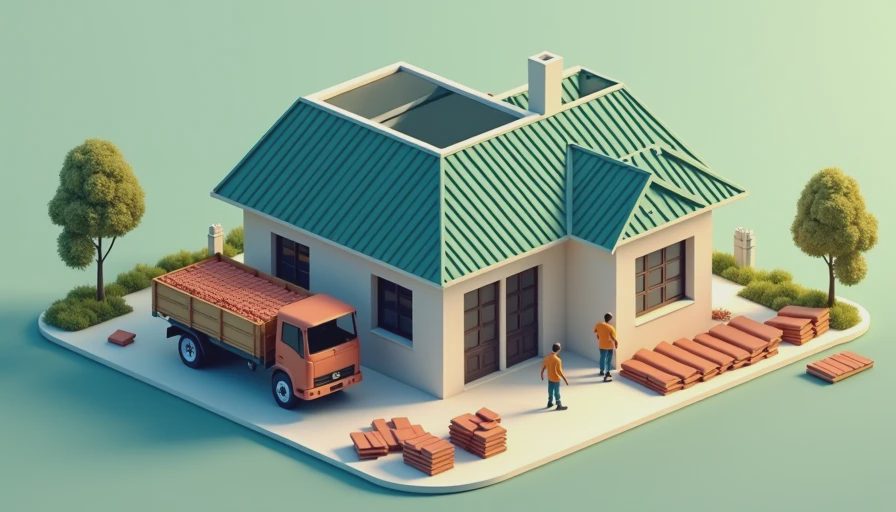
If you’re like most first-time homeowners, the roof is one of those things you don’t think about until it starts leaking. But choosing the right material upfront can save you years of headaches and thousands of dollars. **Metal roof tiles** have grown in popularity for good reason: they combine the classic look of slate or clay with the longevity and low maintenance of metal. For families with young kids, the peace of mind that comes from a roof that can handle heavy rain, snow, and even hail is invaluable. Let’s break down what you need to know before making the switch.
Why Consider Metal Roof Tiles?
When we talk about **metal roof tiles**, we’re not talking about that old corrugated barn look. Modern metal tiles mimic traditional materials like cedar shakes, slate, or clay, but they weigh significantly less. That means your roof structure doesn’t need as much reinforcement, which can lower installation costs. For a family with a busy schedule and a tight budget, that’s a big win. Plus, metal is non-combustible, so in areas prone to wildfires, this could even reduce your insurance premiums. Another family-friendly perk: metal roofs shed snow easily, reducing the risk of ice dams that can cause water damage.
Cost Breakdown of Metal Roof Tiles
Let’s talk numbers. The upfront cost of **metal roof tiles** is higher than asphalt shingles—expect to pay anywhere from $6 to $12 per square foot installed, depending on the style and your location. However, the lifespan is 40 to 70 years, compared to 20 years for asphalt. That means you might never have to re-roof again. For a 2,000-square-foot home, that’s potentially $12,000 to $24,000 now, but over 50 years, it’s cheaper than two or three asphalt replacements. Also, many homeowners see a return on investment of 60-80% at resale. Check with your insurer—some offer discounts for Class 4 impact-resistant materials, and metal often qualifies.
Installation and Maintenance
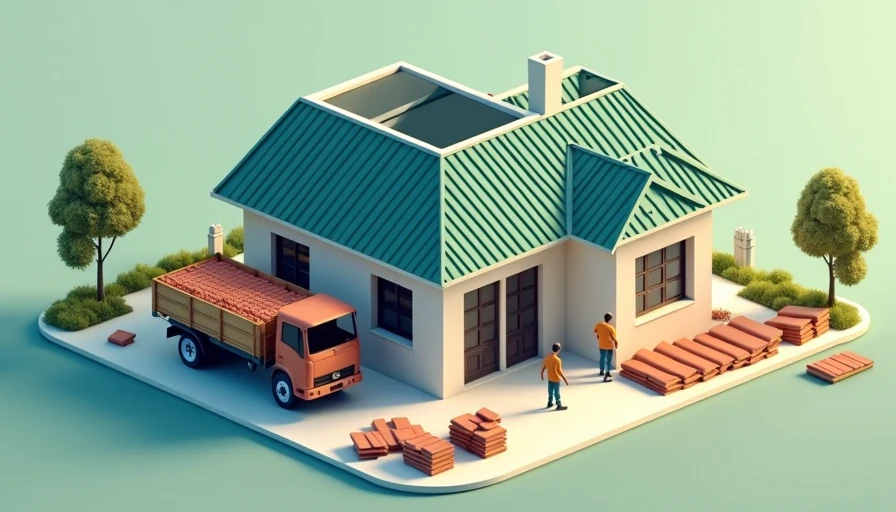
Installing **metal roof tiles** is not a DIY job for most folks. You need a contractor experienced with metal roofing, as improper fastening can lead to leaks or panel popping in high winds. But once installed, maintenance is minimal. Clear debris from valleys and gutters twice a year, and inspect for loose screws after severe storms. Unlike asphalt, metal won’t rot, crack, or grow moss. If you have solar panels in your future, metal roofs are also easier to mount on. Just remember: walking on metal tiles can dent them, so if you ever need chimney or skylight work, use a pro.
Comparing Metal Roof Tiles to Other Options
How do **metal roof tiles** stack up against slate, clay, or asphalt? Slate and clay are beautiful but heavy and brittle—not ideal if you live in a hail-prone area. Asphalt is cheap but short-lived and prone to algae. Metal wins on durability and weight. It also reflects solar heat better, which can lower cooling costs by 10-25% in summer. On the downside, metal can be noisy during rain if not properly insulated. But with modern underlayment and attic insulation, that’s largely mitigated. For families, the quiet comfort is worth the upgrade.
Choosing the Right Metal Roof Tiles for Your Home
Not all **metal roof tiles** are equal. Steel is strong and affordable but can rust if scratched; look for Galvalume or Kynar-coated. Aluminum is lighter and corrosion-resistant, great for coastal homes. Copper is stunning but expensive and requires skilled installation. For a suburban family with a moderate budget, steel with a stone-coated finish offers the best balance of looks, durability, and cost. You’ll also want a color that complements your home’s siding and trim. Lighter colors reflect more heat, which is a bonus in warm climates.

Key Considerations When Hiring a Contractor for Metal Roof Tiles
Choosing the right contractor is just as important as choosing the right product. Here’s a checklist to help you vet candidates:
- **Verify licensing and insurance.** Ask for proof of liability insurance and workers’ compensation. A reputable roofer will have both.
- **Ask for local references.** Request contact info for at least three recent projects with **metal roof tiles**. Drive by and see the work yourself if possible.
- **Check manufacturer certification.** Many metal tile manufacturers require installers to be certified to honor the warranty. Confirm your contractor holds that certification.
- **Get a detailed written estimate.** The quote should include materials, labor, underlayment, flashing, and cleanup. Beware of vague line items.
- **Discuss the timeline and weather contingencies.** Metal roof installation can be delayed by rain or wind. Make sure the contract spells out how delays are handled.
Taking these steps can save you from costly mistakes. Remember, a quality installation ensures your **metal roof tiles** perform as promised for decades.
Final Thoughts
Switching to **metal roof tiles** is a long-term investment that pays off in durability, energy savings, and curb appeal. For families with young children, it means one less thing to worry about when the weather turns nasty. Start by getting three quotes from licensed roofers who specialize in metal. Ask about warranties: most products come with 30-50 year transferable warranties, so when you sell, the next owner gets that security too. A calm roof means a calm home.
Ready to explore? Talk to your local roofing supplier about samples and find a certified installer. Your future self—and your family—will thank you.




No comments yet — be the first to share a thought.