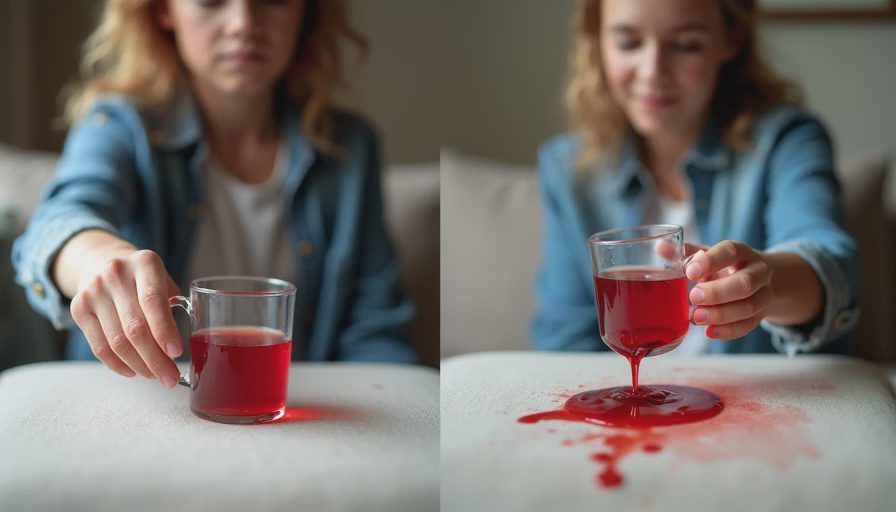
You've seen the ads. "Stain-proof! Spill-proof! Kid-proof!" Performance fabric sofas promise to survive everything your toddler throws at them — literally. But they also cost anywhere from $200 to $1,000+ more than standard fabric options.
Is that extra money buying real protection, or are you just paying for clever marketing?
I dug into the testing standards, real-world reviews, and talked to other parents who've owned performance fabric sofas for years. Here's what I found.
What performance fabric actually is (no marketing fluff)
At its core, performance fabric is upholstery engineered to be more durable and easier to clean than traditional fabrics . Unlike standard cotton or linen that absorb spills immediately, performance fabrics are typically made from synthetic fibers like polyester, olefin, or acrylic, and are often treated with technologies that make liquids bead up on the surface instead of soaking in .
There are two main ways this happens:
Solution-dyed fibers (used by Sunbrella, for example): Color pigment is mixed into the fiber itself before it's even created. This means the color won't fade from UV exposure or cleaning — it's locked in at the molecular level .
Protective coatings (like Crypton's process): A moisture barrier is applied to the fabric that prevents spills from seeping into the cushion below. Liquids bead up on the surface for easy cleanup .
Some newer brands (like Anabei) use eco-friendly coatings that achieve stain resistance without PFAS or harsh chemicals, and even offer fully removable, machine-washable covers.
The result? Performance fabrics can often be cleaned with just water and mild soap, without professional help.
What the numbers actually say
The most common durability metric is the double rub count — how many times a machine can rub the fabric before fibers start breaking down.
Use level | Double rubs |
Light residential | 6,000 – 9,000 |
Medium residential | 9,000 – 15,000 |
Heavy residential | 15,000+ |
Hospitality/commercial | 30,000+ |
A high-performance fabric often exceeds 30,000 double rubs, compared to standard residential fabrics that range between 10,000–15,000 . Many designers now suggest looking for 50,000+ double rubs for a sofa that gets daily use in a home with kids and pets .
But here's the catch: double rubs measure abrasion resistance only. They don't measure stain resistance, fiber strength, how well the fabric handles cleaning, or resistance to fading -. A high rub count doesn't automatically mean the fabric is family-proof. It just means it won't wear thin as quickly.
The real test: what actual parents say
The glowing reviews:
Parents overwhelmingly report that performance fabrics handle spills better than standard upholstery. Coffee, juice, muddy paw prints — many users say these wipe away with just a damp cloth -.
One Reddit mom shared that her son's diaper leaked onto their bone white performance fabric sofa, and it didn't leave a stain .
Another parent wrote that after three months of toddler chaos, they "already can't imagine my living room without it" -.
The honest caveats:
Not all performance fabrics are created equal. One Cozey owner reported pulls in the performance fabric within six months, with no pets and only teenagers in the house -.
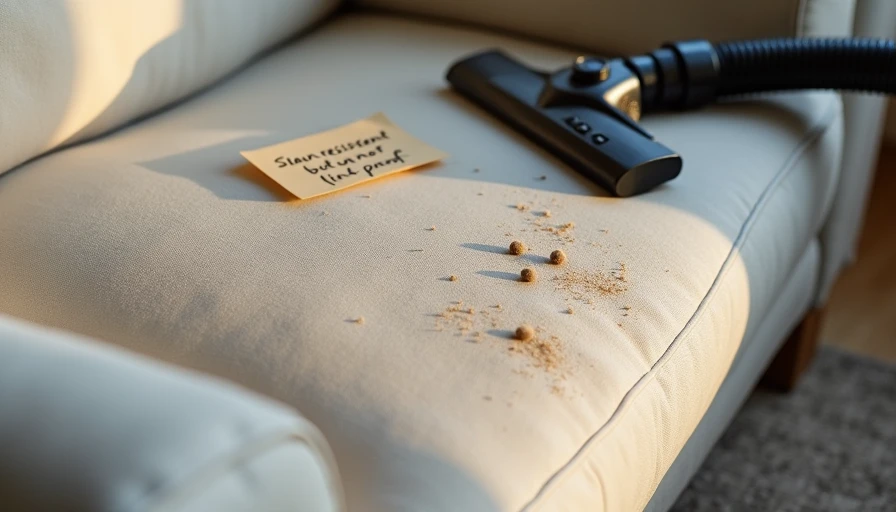
The same mom with the bone white sofa admitted: "That being said the fabric picks up lint from our clothes like crazy and it's a pain to vacuum, so this has discolored it in a way. I would recommend the couch but not bone white" .
Stain-resistant doesn't mean stain-proof. Prompt cleaning still matters, but the margin for error is much larger than with standard fabrics .
So is it worth the money?
You probably SHOULD upgrade | You can probably SKIP |
You have toddlers or young kids (spills are daily) | Your home is low-traffic (formal living room, guest space) |
You have pets (especially dogs who jump on furniture) | You're on a very tight budget and can add washable covers later |
You want a light-colored sofa (beige, white, light grey) | You prefer the exact hand-feel of traditional natural fabrics |
Your living room is the main play zone | You're furnishing a space that rarely gets used |
The initial cost of performance fabric may be higher, but the added durability, easier maintenance, and longer lifespan can deliver better value over time . Many performance fabrics are designed to resist pilling, stretching, and daily wear, making them tougher than standard upholstery -.
But if your furniture will live a gentle life, you might allocate those dollars elsewhere -.
What to look for (not just what the label says)
1. Check the cleaning code. Look for "W" (water-based cleaners) or "WS" (either water or solvent). Avoid "S" only (requires special solvents) and definitely avoid "X" (vacuum only — that's decorative fabric, not meant for a sofa) .
2. Ask about the double rub count. A residential rating starts around 15,000 double rubs. For families, aim for 30,000+ . Anything above 100,000 is commercial grade and probably overkill, but won't hurt .
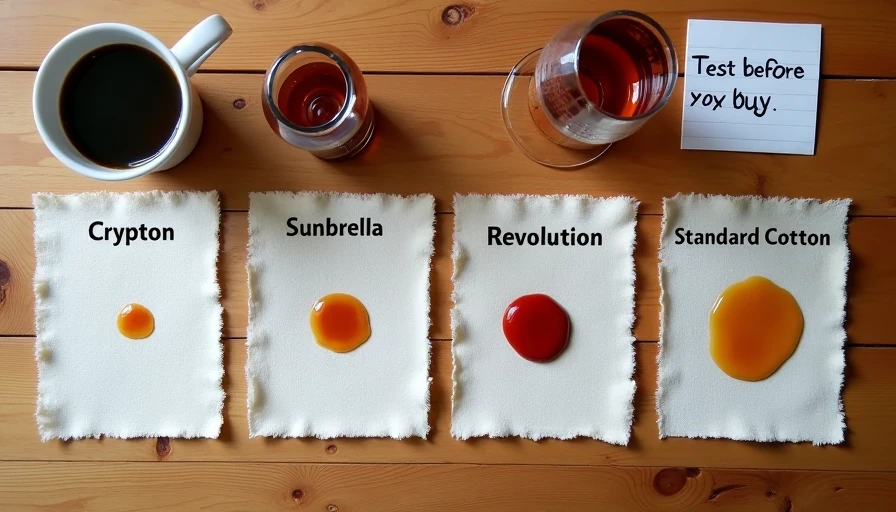
3. Get swatches and test them. Bring them home. Spill coffee, ketchup, red wine. Scrub them. See what actually happens. Requesting samples can help you pick upholstery you'll actually love living with .
4. Know the brand names. Crypton (stain, odor, and moisture-resistant), Sunbrella (solution-dyed acrylic, excellent fade resistance), and Revolution (polyolefin-based, no chemical treatments) are the major players . Each has different strengths — Crypton excels at liquid beading, Sunbrella at UV resistance.
5. Don't skip the frame. No performance fabric will save a sofa with a cheap frame that sags within two years. Look for solid wood or engineered wood frames with sinuous spring systems

No comments yet — be the first to share a thought.