Are Tar and Gravel Roofs Still Used? A Practical Guide for Homeowners
If you're a first-time homeowner tackling an older property, you might have come across a flat roof covered in black tar and pebbles and wondered, are tar and gravel roofs still used? The short answer is yes—but not as often as they once were. Tar and gravel roofs, also known as built-up roofs (BUR), have been around for over a century. They consist of multiple layers of asphalt or coal tar and reinforcing fabrics, topped with a layer of gravel. While they're still installed on some commercial buildings and flat-roof homes, many homeowners are shifting to more modern options. In this guide, we'll walk through what makes this roofing system tick, whether it's worth keeping or replacing, and what alternatives you should consider for your family's home.
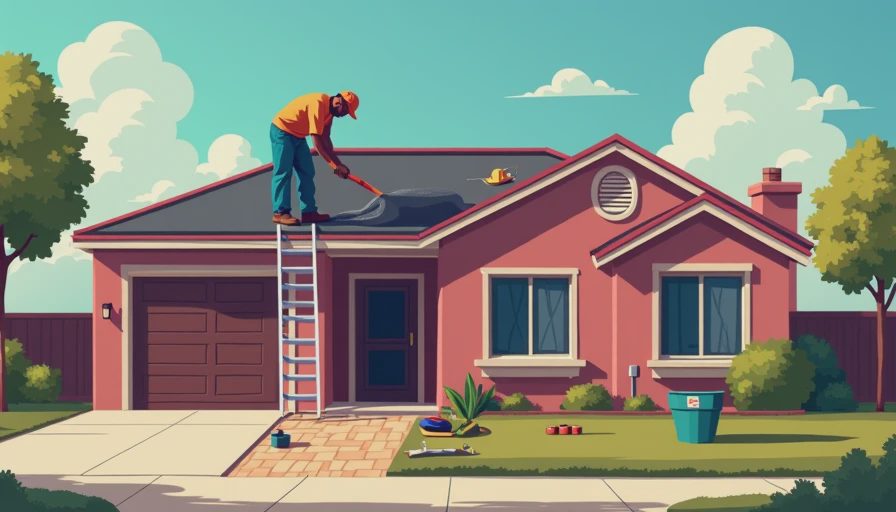
What Makes a Tar and Gravel Roof?
A tar and gravel roof is built on-site by applying alternating layers of hot asphalt or coal tar and felt or fiberglass sheets. The final layer is a heavy coating of gravel, which serves two purposes: it protects the underlying layers from UV rays and adds ballast to keep the roof in place. This type of roof has a reputation for durability—properly installed and maintained, it can last 20 to 30 years. However, it's also heavy, messy to install, and prone to cracking or blistering if not cared for. The question are tar and gravel roofs still used often comes up because homeowners see them on older homes and assume they're outdated. In reality, some contractors still install them for certain projects, especially on low-slope roofs where durability is key. But the trend is certainly moving toward lighter, more energy-efficient materials.
Are Tar and Gravel Roofs Still a Good Choice?
So, are tar and gravel roofs still used in new construction? Not as much as they used to be. The majority of new flat roofs today are installed with single-ply membranes like TPO, PVC, or EPDM rubber. These materials are lighter, faster to install, and often come with better warranties. However, tar and gravel still has its advocates. For one, it's incredibly resistant to punctures and foot traffic—a big plus if you use your roof as a patio or garden space. It also handles standing water better than some single-ply systems. But there are downsides: the installation process is labor-intensive and smells strong, making it less family-friendly during installation. Plus, if you need repairs, finding a contractor experienced with tar and gravel can be tricky. Many roofing companies now focus on modern materials, so availability could be a factor in your decision.
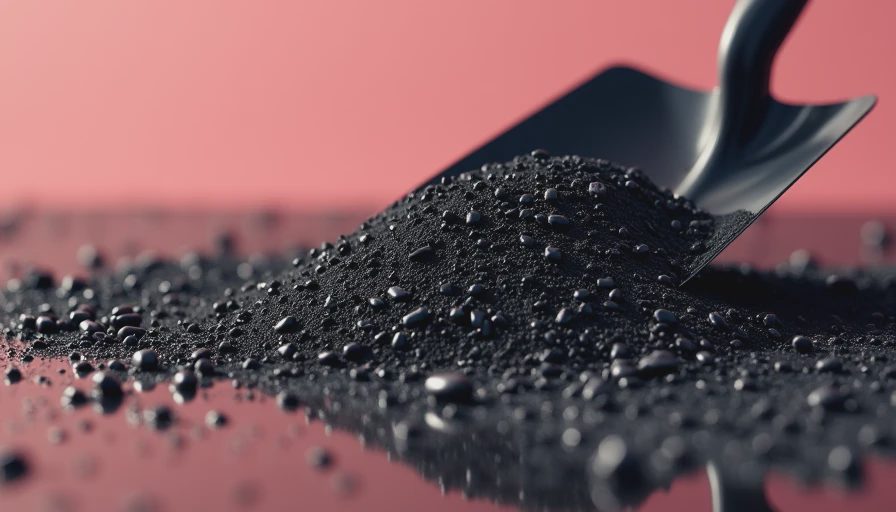
Modern Alternatives to Tar and Gravel
If you're considering replacing an existing tar and gravel roof, you have several strong options. TPO (thermoplastic polyolefin) is a popular choice because it's reflective, energy-efficient, and affordable. PVC (polyvinyl chloride) is even more durable and resistant to chemicals, but it's pricier. EPDM (ethylene propylene diene terpolymer) is a synthetic rubber that's flexible and easy to repair. Modified bitumen is another option—essentially an update of the built-up roof concept, but with factory-made sheets that are torched or glued down. Each has its own pros and cons, and the best choice depends on your climate, budget, and how much use the roof will get. When asking are tar and gravel roofs still used, keep in mind that for many homeowners, the question is really about whether to repair or replace. If your current roof is over 20 years old and showing signs of wear, upgrading to a modern material might save you money in the long run.
Should You Choose Tar and Gravel for Your Roof?
Let's be honest: unless you have a specific reason—like a historic building or a roof that gets heavy foot traffic—you probably don't need tar and gravel. The installation cost is similar to other premium options, but the long maintenance can be a headache for a busy family. You might also face higher insurance premiums or difficulty finding a contractor. That said, if you already have a tar and gravel roof that's in good shape, there's no rush to replace it. With regular inspections and minor repairs, it could serve you well for several more years. The key is to weigh the upfront cost of replacement against the ongoing care of an older system. For most first-time homeowners, moving to a modern flat roof system is the smarter investment.
Final Thoughts on Tar and Gravel Roofs
Tar and gravel roofs are still used, but they're becoming a niche choice. For the typical suburban home, options like TPO or modified bitumen offer better performance and peace of mind. Before making a decision, talk to at least three roofing contractors and get quotes for both repair and replacement. Ask them directly, "Are tar and gravel roofs still used for homes like mine?" Their answers will give you a sense of local trends and expertise. Remember, your roof is a major investment—take the time to choose a system that fits your family's needs, budget, and lifestyle. A calm room beats a complicated room, and a simple, reliable roof beats one that needs constant attention.



No comments yet — be the first to share a thought.