
If you're exploring new roofing options, you've likely heard about metal roofing texture. But what does that term actually mean for your home? Metal roofing texture refers to the surface finish and profile of metal roof panels—everything from smooth standing seam to deeply stamped shingles that mimic slate or shake. For first-time homeowners juggling budget, durability, and curb appeal, understanding metal roofing texture is a key step before making a commitment. This guide breaks down the options, costs, and family-friendly considerations so you can choose a roof that looks great and works hard.
What Is Metal Roofing Texture and Why Does It Matter?
Metal roofing texture isn't just about looks—it affects performance, cost, and how the roof fits your home's architectural style. Textures range from sleek, modern standing seam (with raised interlocking panels) to more traditional profiles like corrugated or ribbed panels. There are also stone-coated steel shingles that replicate the appearance of wood shakes, slate, or clay tiles. The texture can influence how the roof handles snow shedding, wind resistance, and even noise during rain. For families, a textured surface can also reduce glare and help the roof blend into the neighborhood. When you're comparing quotes, asking about metal roofing texture ensures you're comparing apples to apples.
Popular Metal Roofing Textures for Residential Homes
Here are the most common metal roofing texture options you'll encounter:
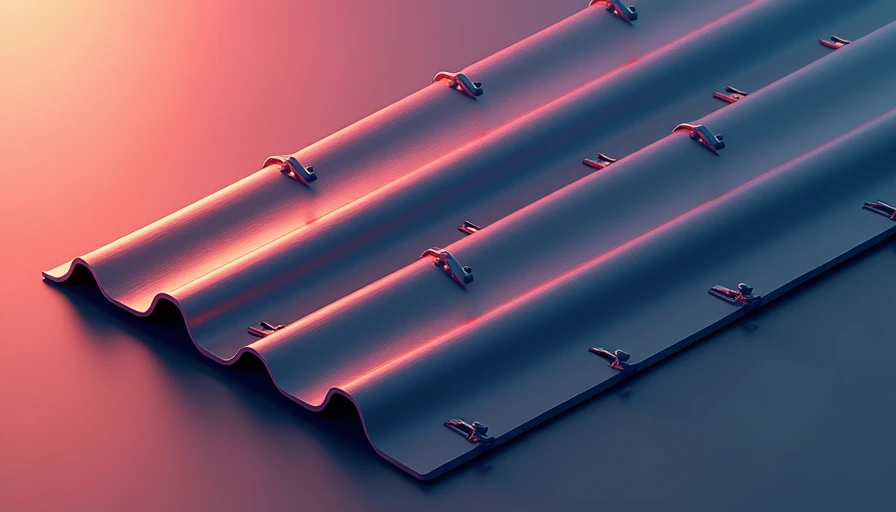
**Standing seam:** Sleek vertical panels with raised seams. Best for modern and contemporary homes. Typically the most durable and longest-lasting, but higher upfront cost. Available in smooth or subtle striated finishes.
**Corrugated metal:** Wavy, ribbed panels often seen on barns and sheds. Now popular for rural and industrial-style homes. More affordable, but texture can look informal. Great for budget-conscious projects.
**Stone-coated steel:** Metal shingles coated with stone chips for a textured, dimensional look. Mimics asphalt shingles, wood shakes, or slate. Very popular for suburban homes because it offers classic aesthetics with metal's longevity. Medium-high cost.
**Shake-style metal:** Deeply stamped to imitate wood roof shakes. Adds shadow lines and rustic appeal. Works well on Craftsman, cottage, or ranch homes.
**Tile-style metal:** Stamped to resemble clay or concrete tiles. Common in Spanish or Mediterranean-style houses. Provides a high-end look without the weight of real tile.
Each metal roofing texture has distinct pros and cons for maintenance, cost, and curb appeal. For families with young kids, low maintenance and durability are often top priorities.
How to Choose the Right Metal Roofing Texture for Your Home
Start by considering your home's architectural style. A sleek standing seam might look out of place on a traditional colonial, while shake-style metal could overwhelm a modern box. Next, think about your climate. In snowy areas, smooth standing seam allows snow to slide off easily. In windy regions, interlocking panels offer better resistance. Also consider noise: textured shingles tend to dampen rain sounds more than smooth panels.
Budget plays a big role. Basic corrugated metal roofing texture can cost $3–$5 per square foot installed, while premium stone-coated steel runs $6–$10 per square foot. Don't forget long-term value: metal roofs last 40–70 years, so paying more for a texture you love can be worth it. Get at least three quotes that specify the exact metal roofing texture and gauge (thickness). Thicker metal (24- or 22-gauge) is more durable than thinner 26-gauge.
Budget Considerations for Metal Roofing Textures
Balancing upfront costs with longevity is where metal roofing texture really matters. A smooth standing seam might be pricier, but its clean lines can boost resale value. On the flip side, stone-coated steel offers a traditional look that might be easier to get approved by a homeowners' association. If you're on a tight budget, look for remnants or “seconds” from metal suppliers—but inspect the texture and finish carefully. Also factor in underlayment and insulation upgrades, which can improve energy efficiency. In our experience, spending a little more on a quality metal roofing texture pays off in fewer repairs and lower insurance premiums (some insurers offer discounts for metal roofs).
Installation and Maintenance Tips
Installation is critical for any metal roofing texture. Hire a contractor experienced with metal roofs—not just asphalt shingles. Improper fastening can lead to leaks or panel damage. Ask about hidden fastener systems for standing seam, which eliminate exposed screws. For stone-coated steel, ensure the underlayment is high-quality to prevent condensation. Maintenance is minimal: just clean leaves and debris from valleys and check for loose fasteners after storms. Touch-up paint is available for scratches, but textured finishes hide minor imperfections better than smooth ones.
Final Takeaway
Choosing a metal roofing texture is about matching your home's style, your family's needs, and your budget. Whether you go with classic standing seam or rustic shake-style metal, this investment adds durability and curb appeal. Pretty is good—but a roof that protects your family for decades is better. Take your time, compare samples, and ask plenty of questions before signing a contract. Your roof is one of the most important parts of your home, and the right metal roofing texture will make you happy every time you pull into the driveway.




No comments yet — be the first to share a thought.